Larval Source Management · Field Surveillance
Every breeding site
starts as standing water
somebody noticed.
BioLen turns a phone in the field into a surveillance instrument - photograph a site, drop a GPS pin, and watch it land on a live map your vector-control team can act on the same day.
Why breeding sites matter
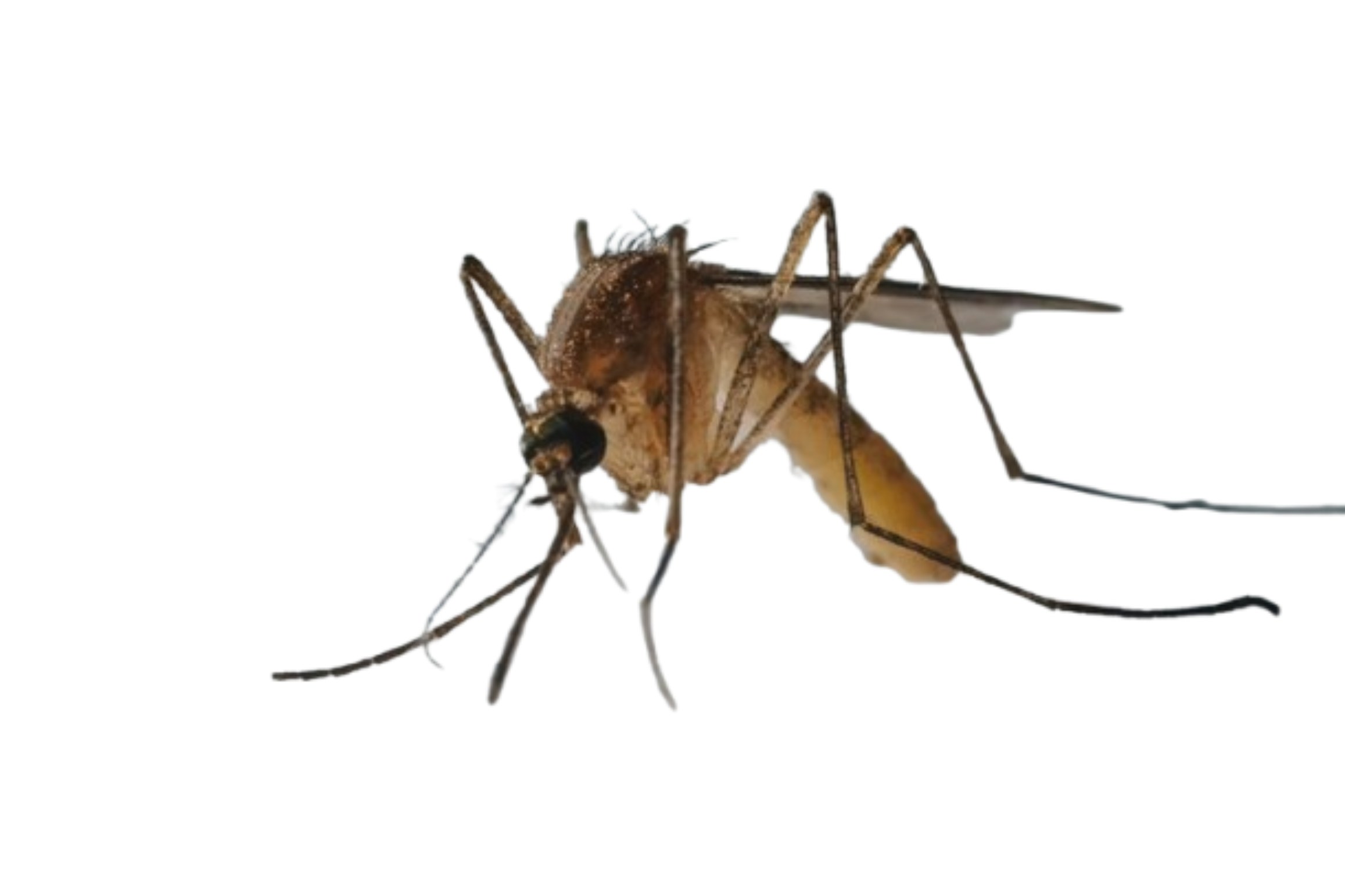
Anopheles gambiae - malaria vector
How larval source management works, here
From a breeding site to a treated site, in four steps.
- 01
Spot it
A community volunteer, health worker, or researcher finds standing water where mosquitoes could be breeding.
- 02
Report it
Photograph the site, drop a GPS pin - coordinates captured automatically - classify the habitat, and add field notes.
- 03
Verify it
Researchers review incoming reports, confirm the habitat and likely species, and prioritise by severity.
- 04
Treat it
Vector control teams act on the map's hotspots with the appropriate control measures such as larviciding, drainage, or habitat removal - and mark it treated.
Why larval source management
Why find breeding sites at all?
The treatment window is narrow
Mosquitoes go from egg to flying adult in 8–10 days. Larviciding must happen before day 6–8. A real-time map cuts days off the reporting cycle.
Not all water is equal
Different species prefer different habitats - swamps, puddles, tyre tracks, drainage ditches. Classifying each site helps target the right intervention.
Data drives decisions
Aggregated site data reveals temporal and spatial patterns. Know which communities need larviciding this week, not last month.
Community-powered surveillance
Volunteers on the ground see breeding sites first. Giving them a simple tool to report turns passive residents into an active surveillance network.
Know your vector
Mosquito larvae identification
Correct identification of larvae is the first step in effective larval source management. Spot the differences that matter.
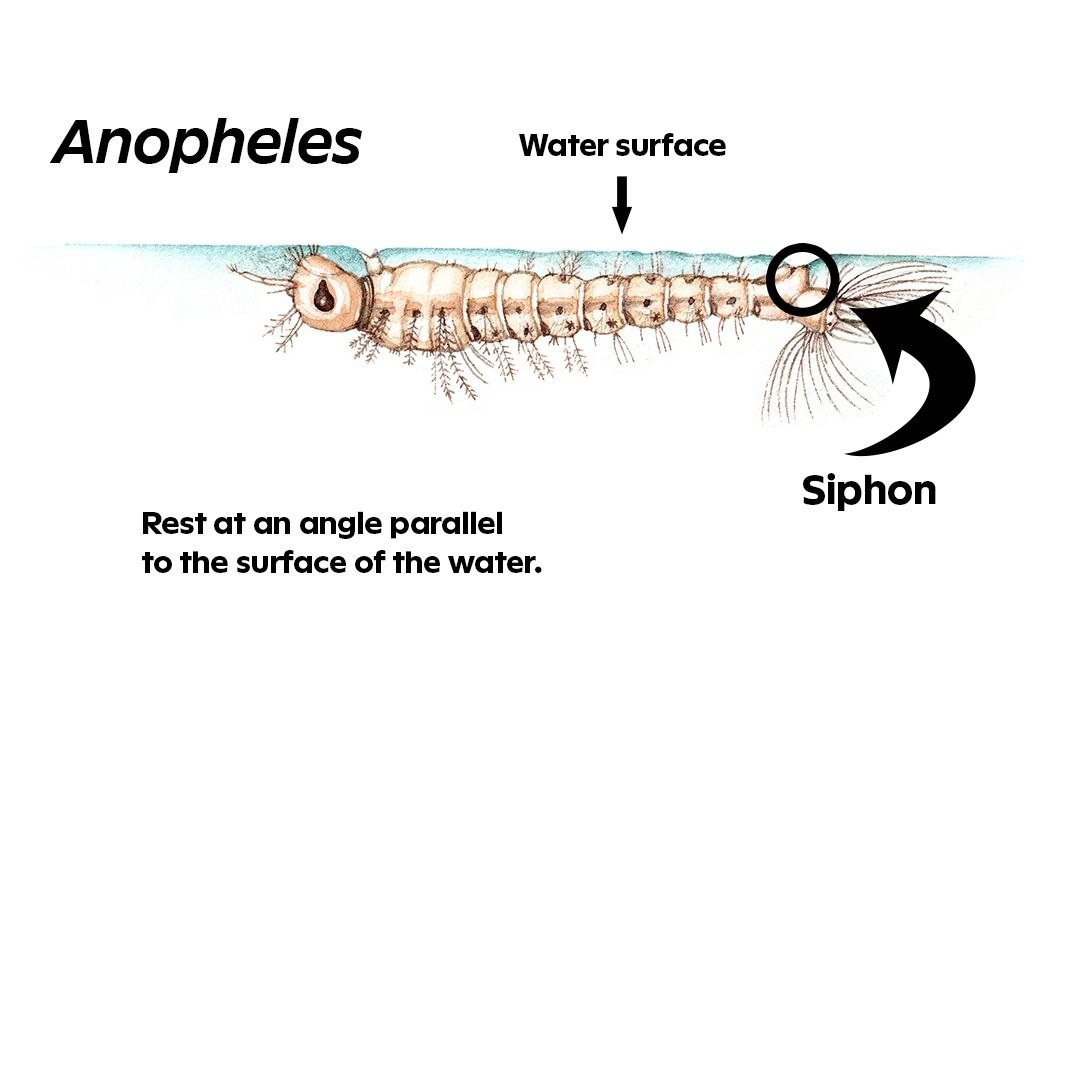
Anopheles
Anopheles gambiae s.l.
Rest parallel to the water surface, with no visible siphon. Found in marshes, swamps, and rice paddies. The primary malaria vector in sub-Saharan Africa.
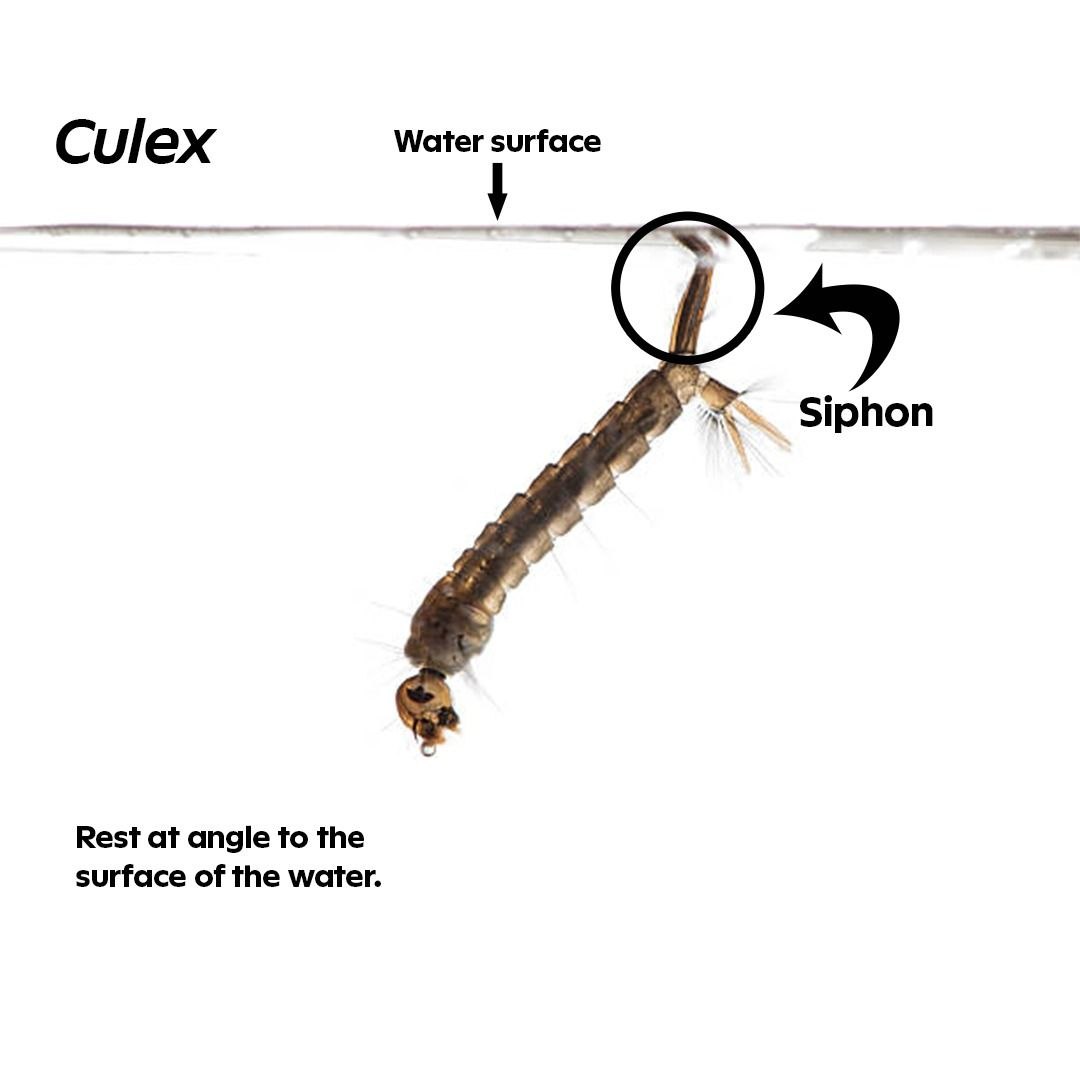
Culex
Culex quinquefasciatus
Hang at an angle from the water surface with a long, dark siphon. Breed in stagnant, organically polluted water — drains, gutters, and cesspools.
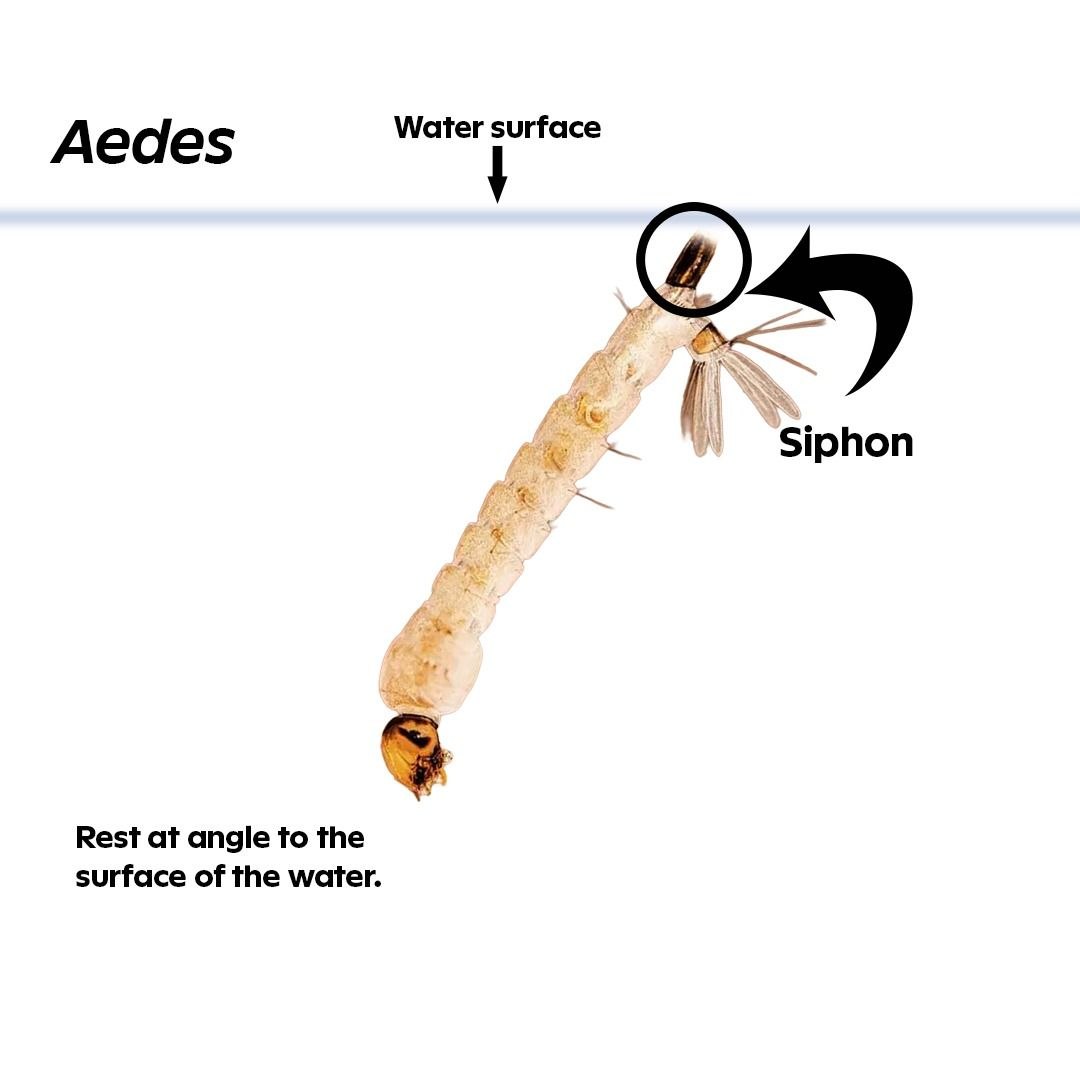
Aedes
Aedes aegypti
Short, stout siphon with a distinctive flared shape. Thrive in small artificial containers — tyres, flower pots, cisterns. Vector of dengue, Zika, and chikungunya.
Data from pilot programme · Greater Accra Region
In their own words
Who uses BIOLEN
“Before BIOLEN we tracked sites on paper. Now I snap a photo, drop a pin, and it's on the map before I leave the puddle. The team sees what I see in real time.”
“The species library and severity tagging give us structured data we can actually analyse. We spot emerging hotspots weeks earlier than monthly surveys allowed.”
“I can see every open report on the dashboard, assign priority, and track treatment progress. It turns disjointed field reports into a coordinated operation.”
“Every site mapped is a generation of mosquitoes that never takes flight.”
Start mapping your community